











By Micaela Passeri
How Pride Quietly Limits Growth, Trust, and Leadership Power
Pride is often viewed as a positive quality.
It is associated with confidence, achievement, self respect, and the ability to recognize how far you have come. In its healthiest form, pride allows women to appreciate their progress, honor their accomplishments, and move through life with dignity.
This kind of pride is healthy and necessary.
It supports confidence.
It reflects self worth.
It allows women to celebrate what they have built.
But there is another side to pride that is rarely discussed in leadership circles.
It is the kind of pride that builds walls.
The need to appear right at all times.
The resistance to admitting mistakes.
The pressure to maintain an image of certainty.
The subtle belief that standing above others is safer than being honest with yourself.
From the outside, this can look like strength.
Internally, it is often self protection.
And over time, this version of pride does not strengthen leadership.
It limits it.
How Pride Quietly Appears in Professional Life
Pride rarely introduces itself openly.
It tends to appear through behaviors that feel justified in the moment, which is why it can be difficult to recognize in ourselves.
You may notice it as:
- Rejecting feedback before fully considering it
- Defending your position even when new information is available
- Struggling to acknowledge mistakes quickly
- Looking down on people whose pace, style, or path is different from yours
- Avoiding vulnerability because it feels uncomfortable
- Feeling the need to prove competence rather than simply embody it
These reactions are often mistaken for confidence.
But confidence and defensiveness are not the same thing.
Confidence feels steady.
Defensiveness feels reactive.
Confidence welcomes growth.
Pride resists anything that threatens the image it is trying to protect.
When pride is operating beneath the surface, the focus shifts from learning and connection to protecting identity.
Why High Achieving Women Often Develop This Pattern
Many successful women have had to work hard to earn credibility.
They have built careers in environments where they needed to prove themselves, remain composed, and navigate expectations that were often higher than those placed on others.
Because of this, pride can quietly become part of survival.
The image of being capable, polished, prepared, and always in control may have helped create success.
But what once protected you can eventually restrict you.
When maintaining an image becomes more important than honest growth, leadership begins to suffer.
You may find it harder to ask for help, receive feedback, admit uncertainty, or allow yourself to be seen as human rather than flawless.
And while the image may remain strong, connection often weakens.
The Cost of Needing to Be Right
When pride becomes the driver of behavior, the consequences are often subtle at first.
Conversations become less honest because people stop challenging your thinking. Team members may choose silence over candor. Colleagues may soften feedback to avoid resistance.
Over time, growth slows.
Innovation weakens when differing opinions are not welcomed. Trust declines when people feel they cannot be honest. Collaboration suffers when one person always needs to hold the strongest position.
At the same time, maintaining the image of always being right creates internal pressure.
You may begin to notice:
- Feeling defensive during discussions
- Becoming irritated when challenged
- Dismissing new perspectives too quickly
- Feeling disconnected from authentic collaboration
- Carrying pressure to always appear certain
Pride often promises strength.
But in many cases, it creates isolation.
What Pride Is Really Protecting
Many people assume pride comes from superiority.
More often, it comes from vulnerability that has not been acknowledged.
Pride can protect:
- Insecurity about not being enough
- Fear of failure or public mistakes
- Shame connected to past experiences
- Self doubt that feels uncomfortable to face
- A belief that worth must always be proven
This is why pride can be difficult to release.
It feels safer to defend an image than to confront what sits underneath it.
But the cost of that protection is high.
It limits learning.
It reduces trust.
It weakens relationships.
It slows leadership growth.
Real Confidence Looks Different
True confidence does not require superiority.
It does not need to dominate conversations, dismiss feedback, or always appear certain.
Real confidence is steadier than that.
It allows you to:
- Receive feedback without becoming defensive
- Acknowledge mistakes quickly and learn from them
- Respect others without comparison
- Ask questions without feeling diminished
- Lead from clarity instead of image management
- Stay secure even when you do not have every answer
This is the kind of confidence that creates trust.
And trust is one of the most valuable assets any leader can build.
Humility Is Not Weakness
Humility is often misunderstood, especially in ambitious environments.
Some women fear that humility will make them appear smaller, softer, or less capable.
But humility is not weakness.
It is emotional maturity.
It is the ability to remain grounded enough to see yourself clearly.
It means recognizing your strengths without exaggeration, and acknowledging your growth areas without shame.
Humility allows leaders to remain teachable, connected, and respected.
A Better Way to Lead
Strong leadership is not built through superiority.
It is built through self awareness, emotional steadiness, and the willingness to evolve.
When pride no longer needs to protect you, something powerful happens.
You become more open.
More effective.
More collaborative.
More trusted.
You no longer spend energy defending an image.
You use that energy to lead.
Moving Forward
If you sense that pride may be creating distance in your leadership, relationships, or business decisions, it may be worth exploring what it is protecting.
Often, the strongest next step is not proving more.
It is becoming more honest.
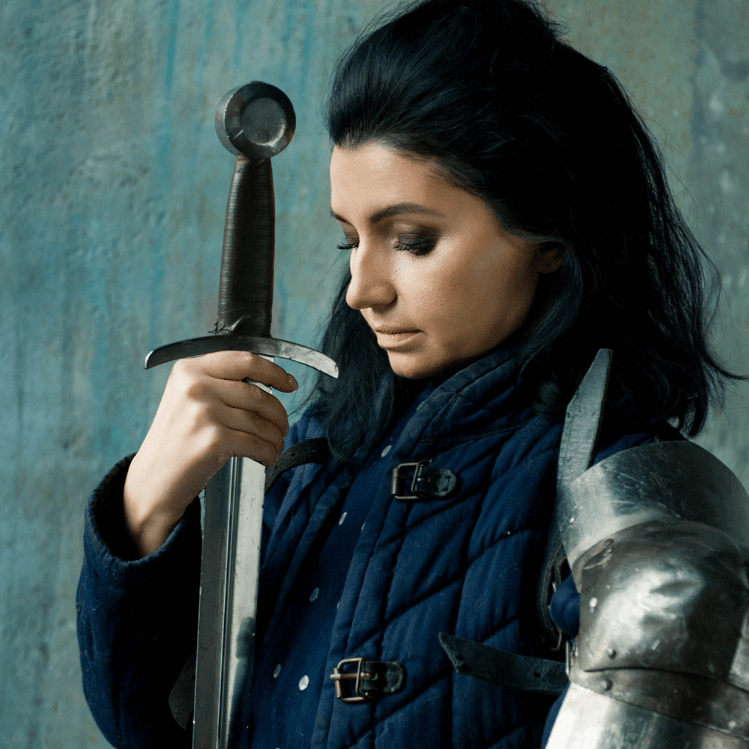
Because when success no longer needs armor, growth becomes faster, leadership becomes stronger, and confidence becomes real.