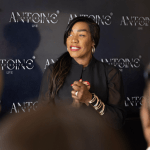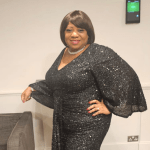









From the structured world of corporate deadlines to the transformative space of spiritual entrepreneurship, Shanaaz Aboobaker has mastered the art of blending discipline with intuition. With a background in IT and leadership, she brings strategic thinking, systems, and measurable results to her work empowering women. Today, Shanaaz guides ambitious women to reclaim their confidence, amplify their impact, and create meaningful success—proving that true leadership is about influence, insight, and heart, not just titles or paychecks.
“Success is measured by the lives you change, not titles or paychecks.”
How did your corporate experience shape your leadership and decision-making in entrepreneurship?
Corporate life taught me structure, accountability and how to make decisions under pressure. I learned to read data, assess risks and manage teams efficiently. I learned to communicate clearly, work on tight deadlines and achieve results in the most effective way.
In entrepreneurship, I combine that discipline with intuition and vision, moving fast without losing clarity.
What skills from your IT consulting days do you find most valuable in running your spiritual business?
Problem-solving, systems thinking, communication skills and process design are invaluable. I approach offerings, marketing and client journeys like a system that can scale. I also rely on analysis, tracking results, market research and refining based on real data from real people.
How do you balance ambition and self-care while pursuing your mission?
I see self-care as a strategy. If my energy is depleted, nothing moves. I plan high-impact work in bursts, rest deliberately and protect my boundaries. Ambition without care burns out; care without ambition stalls. Balance is in both.
What were the biggest challenges you faced when transitioning from a corporate role to a spiritual entrepreneur?
The hardest part was losing the certainty and security, corporate life gave me structure and a predictable income. I have two kids, so letting go of that security was scary. I was fully responsible for my own earnings and supporting my family. I had to trust my intuition, make decisions without guarantees and learn that risk isn’t a threat, it’s part of growth. This was an incredibly difficult decision but looking back in hindsight, it was all worth it. My business has scaled to multiple 7 figures, I’ve had the opportunity to work with women across the globe, make a positive impact. This work is meaningful to me. The opportunities and people I’ve met wouldn’t have been possible if I stayed in corporate
How do you define success now, compared to your corporate days?
Corporate success was about climbing the ladder, being measured by KPIs and performance, but for me, it felt meaningless. I wasn’t excited to wake up and go to work. I earned an above average salary and to be honest, that was why I worked but It felt empty and I hated waking up in the mornings.
I wanted work that changed lives, that built my own legacy. I wanted to do work that made me jump out of bed in the morning.
Now, success isn’t a title or paycheck, it’s impact, autonomy, and alignment. Seeing women reclaim power, confidence, exceed their income potential, and become financially independent, that’s the real metric. Corporate success felt external, now it’s internal and measurable in the lives I’ve changed and the impact I’m making. I love what I do. It brings me so much fulfillment.
What advice would you give women who feel stuck in unfulfilling careers?
Stop waiting for permission or perfect clarity. Stop waiting for the right time, there’s never a perfect time. Take action, even in small steps. Explore what excites you, invest in yourself and build skills. Your career doesn’t have to be a trap, you can pivot, create your own path and reclaim your power. Courage beats comfort every time. Build relationships and a powerful strong network.
Your network is your networth.
How do you approach goal-setting differently in your spiritual business?
I focus on outcomes, not activity. Goals are rooted in client impact and community growth, not just revenue. I set measurable steps, stay flexible and adjust based on audience feedback and energetic alignment. The goal is real transformation, not just ticking boxes.
Which corporate habits do you still carry with you in your entrepreneurial journey?
Discipline, accountability, communication skills and structured problem-solving. I still track metrics, plan strategically, and manage time with precision. Those habits make freedom productive instead of chaotic.
How do you measure the impact of your work on the women you empower?
I serve various different clients. Some are in politics, artists, entrepreneurs, public figures and sports amongst a few.
Every client has a different goal and vision, so success is measured differently. For entrepreneurs, we track income growth, confidence and innovation in their business. For political figures, it’s more about public speaking, presence and building their personal brand. For artists, it’s reconnecting with creativity, selling their work or booking jobs. Engagement, feedback and repeat success stories matter, but the ultimate metric is the tangible transformation which the specific client desired
How has embracing vulnerability contributed to your business and personal growth?
Initially Vulnerability was a part of my healing process but I’ve learned that sharing my struggles, lessons and doubts makes my work relatable and human. It attracts clients, collaborators and opportunities that align with authenticity, not perfection and it allows me to lead with empathy while growing alongside the people I serve.
“Courage beats comfort — claim your power and purpose.”